4 minute read
Back-to-School Budgeting Tips
By Kristen Reichert • Reviewed by Mary Ann Nickolai
Posted on July 29, 2026



Kids might be dragging their feet to go back to school, and you might be dragging yours to shop for the supplies. Beat the back-to-school blues and save money with these smart budgeting tips.
Take an inventory of unused supplies
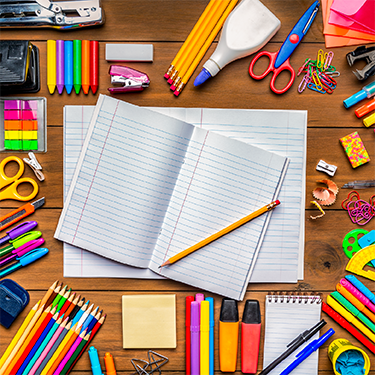
If you’re lucky enough to have teachers who send home unused supplies at the end of the school year, take an inventory of what you have on hand to fulfill the supply list. You can reuse many items, such as scissors, rulers, compasses, pencil bags, headphones, and other electronics, each year.
Don’t forget to check last year’s markers, crayons, and colored pencils from to see if they’re still usable. Reusing supplies can significantly reduce your shopping list and help you stay within budget.
Make a shopping list
School districts send out supply lists, but creating a detailed list of your own that includes all items helps you stay within your budget. Include everything your child might need like lunch boxes, backpacks, shoes, clothes, headphones, or any other electronics that are required.
Stick to this list when shopping in the store or online to avoid impulse purchases. This is a great opportunity to teach your children about budgeting and buying the items you need versus items you want. If they spot something they want that’s not on the list, discuss how they can make a goal to save up their allowance to purchase it later.
Set a realistic budget
The National Retail Federation’s 2025 survey found families spent about $145 on supplies for each student.¹ If this amount exceeds your budget, start with the requested school supplies and save nonessential items for later.
Stores typically offer mid-season sales on clothing and shoes making it possible to spread out these expenses and save money. Before you buy expensive electronics like Chromebooks, check with your school district to see if they provide them. If you must purchase them, search for student discounts, pre-owned, or refurbished options.
Comparison shop
When it’s time to shop, look for generic instead of name-brand items. Search for coupons, sales, and clearances, and compare prices online between stores to make sure you’re getting the best deals.
Consider pooling resources and buying in bulk to split the costs with other parents. For shoes and clothing, check out thrift stores, secondhand options online, or ask friends and family for hand-me-downs that are still in good condition.
Maximize savings with tax-free weekend
In Texas, the first weekend in August is tax-free weekend on qualifying school supplies and clothing. This year, it starts on Friday, August 7, 2026, and runs through midnight on Sunday, August 9, 2026.
The exemption applies to each eligible item under $100, regardless of how many items are on the same receipt. For instance, a pair of shoes at $80 and two pairs of jeans at $40 each would all qualify even though the total is $160.
Eligible items include backpacks, clothing, shoes, and school supplies. The exemption applies to online and layaway shopping, so you don’t have to struggle with in-store shopping to save money. Note: The exemption does not apply to computers, electronics, and athletic equipment. For more details on qualifying items and orders, visit comptroller.texas.gov.
By following these tips, you can help your kids make the grade without breaking the bank.
If you’re facing financial hardship and need help, check with your school district for local assistance programs. They can connect you with nonprofits that offer help with clothing, food, and backpack buddy programs that provide a backpack with supplies.
¹ Back-to-School shopping is starting early this year NRF survey explains why from khou.com.
If you wish to comment on this article or have an idea for a topic we should cover, we want to hear from you! Email us at editor@texell.org.